
Yokogawa EJA210E Differential Pressure Transmitter
The EJA210E flange mounted differential pressure transmitter adopts single crystal silicon resonant sensor technology, which is suitable for measuring the liquid level and density of liquids that are prone to crystallization or precipitation.
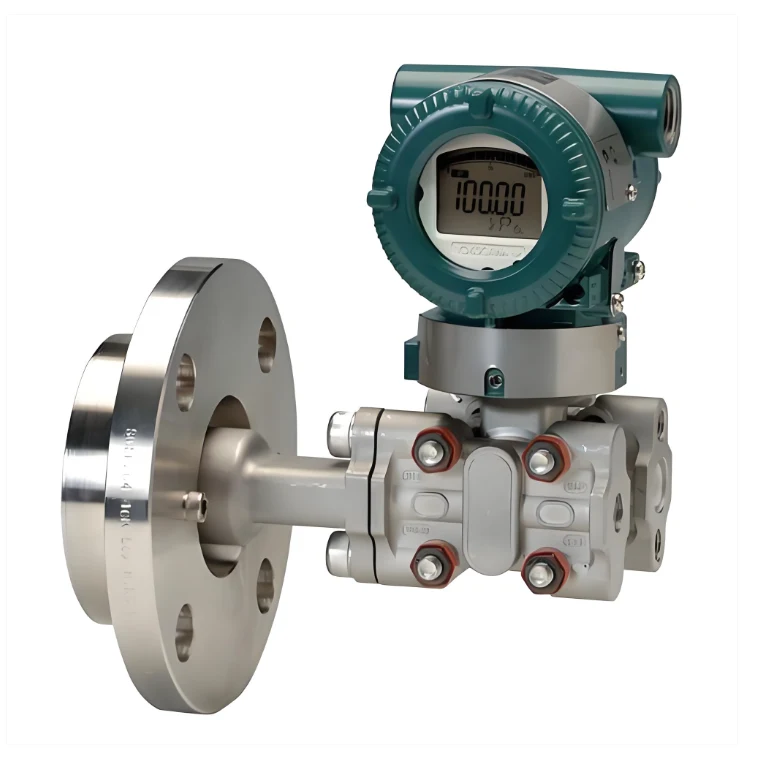
The EJA210E flange mounted differential pressure transmitter adopts single crystal silicon resonant sensor technology, which is suitable for measuring the liquid level and density of liquids that are prone to crystallization or precipitation.
- Output Signal:
- 4~20mA DC, HART 7 digital communication
- Accuracy Grade:
- ±0.055%
- Process Medium Temperature:
- -40℃~120℃
- Model series
- EJA210E
EJA210E
Request a quoteAbout this product
Product Description The EJA210E flange mounted differential pressure transmitter adopts single crystal silicon resonant sensor technology, which is suitable for measuring the liquid level and density of liquids that are prone to crystallization or precipitation. EJA210E converts the measured differential pressure into a 4-20mA DC current signal output, which can measure, display, or remotely monitor static pressure. It has functions such as fast response, remote setting, and self diagnosis. Main features Monocrystalline Silicon Resonant Sensor: Overload resistance, temperature drift resistance, and excellent long-term stability Compact and lightweight design: Weight is only half of traditional models Local Parameter Setting (LPS): Parameters can be adjusted locally without a handheld programmer. Built-in Fault Diagnosis: Error codes are displayed on the meter to facilitate quick maintenance and troubleshooting. Supports multiple maintenance platforms: such as FieldMate, smartphone APP (via HART) Extended calibration interval: High stability helps reduce maintenance costs Product Type: Remote Diaphragm Sealed Differential Pressure Transmitter Measurement Principle: DPharp Silicon Resonant Digital Sensing Accuracy Grade: ±0.055% Output Signal: 4~20mA DC, HART 7 digital communication Operating Temperature: -40℃~85℃ Process Medium Temperature: -40℃~120℃ Maximum Static Pressure: Up to 32MPa Wetted Material Standard 316L stainless steel, with optional Hastelloy C and tantalum materials, suitable for highly corrosive media For quotation, send the complete order code, quantity and operating conditions. Specifications and available options depend on the ordered configuration.
Technical information
| Model series | EJA210E |
|---|---|
| Brand | Yokogawa |
| Product Type: | Remote Diaphragm Sealed Differential Pressure Transmitter |
| Measurement Principle: | DPharp Silicon Resonant Digital Sensing |
| Accuracy Grade: | ±0.055% |
| Output Signal: | 4~20mA DC, HART 7 digital communication |
| Operating Temperature: | -40℃~85℃ |
| Process Medium Temperature: | -40℃~120℃ |
| Maximum Static Pressure: | Up to 32MPa |
| Wetted Material | Standard 316L stainless steel, with optional Hastelloy C and tantalum materials, suitable for highly corrosive media |
Downloads & files
Need help confirming a configuration? Ask about this instrument →
Before you request a quote
How do I request a quote for EJA210E?
Send the full model or order code, quantity and delivery country. For a replacement, include the existing instrument specifications; for a new installation, use the selection checklist below.
Where can I find technical documents?
Published files are listed in Downloads & files. Check that the document covers your selected configuration. Request any additional drawing or manual with your inquiry.
How are price and delivery confirmed?
Price and delivery depend on the final configuration, quantity and destination. Request a written quotation for your project; this page does not confirm stock or a delivery date.
LET’S FIND YOUR INSTRUMENT
Tell us what you need.
Start with a model or an application. Our sales team can help check the configuration for your project.
Find your regional sales contact ↗What helps us select an instrument?
Medium, measuring range, process temperature, pressure, output signal and connection. You can send what you know now and discuss the remaining details with us.